
A Guide to Chinese Hairpin Styles: From Simple Zan to Dancing Buyao
1/4/20262 min read
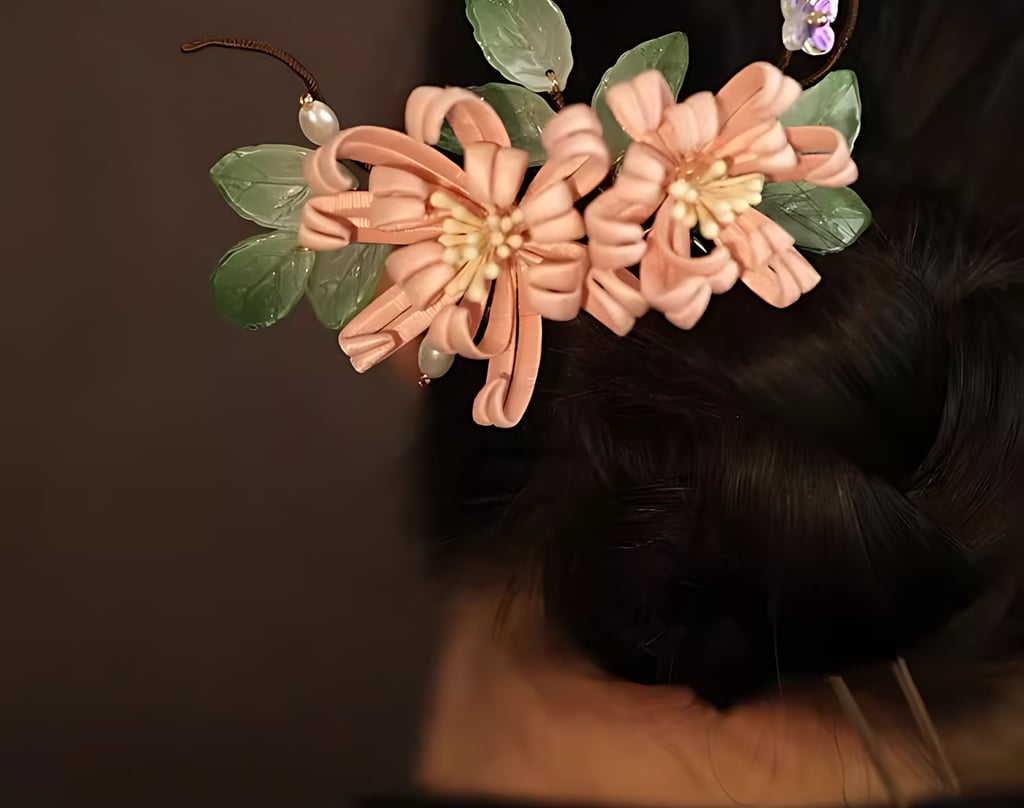

Introduction to Chinese Hairpin Styles
Chinese hairpins have a rich history that dates back centuries. These ornate accessories are not just practical tools for securing hair; they are also stunning pieces of art that reflect cultural significance and personal style. In this guide, we'll explore the different styles of Chinese hairpins, from the simplest zan hairpins to the elegant dancing buyao.
The Simple Elegance of Zan Hairpins
The zan hairpin is perhaps the most basic style of Chinese hair accessory, yet it holds its own place in the hearts of many. Typically made of bamboo, wood, or metal, zan hairpins are straightforward in design and often serve a dual purpose as a functional tool and a subtle statement piece. Their simplicity allows them to suit various occasions, making them a perfect choice for everyday wear.
Despite their understated charm, zan hairpins can also showcase intricate carvings and designs. Often adorned with beads or painted details, these variations add a personal touch, allowing wearers to express their individuality while maintaining a classic aesthetic.
The Graceful Movement of Dancing Buyao
On the other end of the spectrum, we have the buyao hairpin. Known for its graceful movement, the buyao is a decorative accessory often embellished with tassels, beads, and precious stones. Traditionally worn during festive occasions or special events, the buyao can add a dramatic flair to any hairstyle.
What sets the buyao apart is not just its embellishments but also its dynamic design. The tassels that hang from the pin create a beautiful sway as the wearer moves, symbolizing beauty and femininity. Whether paired with a flowing dress or a traditional qipao, dancing buyao hairpins are sure to capture attention and elevate any outfit.
Choosing the Right Hairpin for Your Style
When deciding between a zan and a buyao, consider the occasion and your personal style. For casual outings or daily wear, a simple zan may be the ideal choice, allowing you to keep your hair neatly in place without overwhelming your look. Conversely, for parties, weddings, or cultural celebrations, opt for a stunning buyao to make a statement.
Ultimately, the beauty of Chinese hairpin styles lies in their versatility. By mixing and matching different designs, you can create unique hairstyles that reflect your personality and cultural appreciation. Experimenting with hairpins can also be a fun way to incorporate aspects of Chinese heritage into your fashion repertoire.
Conclusion
From the simplicity of zan hairpins to the eye-catching elegance of dancing buyao, Chinese hairpin styles offer a diverse range of options to enhance any wardrobe. By understanding these unique accessories, you can unlock new ways to express yourself and celebrate the artistry behind traditional Chinese fashion.
Contact
Reach out for inquiries or collaborations.
© Hi Tangla 2025. All rights reserved.
Privacy Policy
Terms and Conditions