
Hair as Art: The Symbolism of Animals and Mythical Beasts in Chinese Headwear
1/1/20262 min read
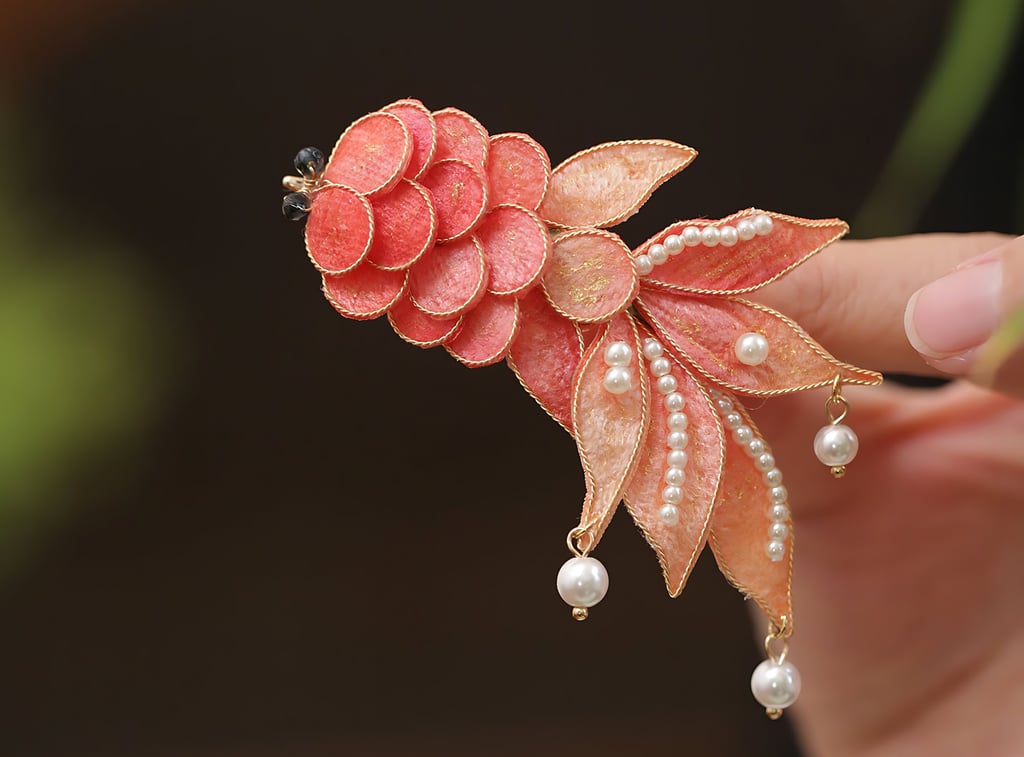
Introduction: The Rich Tapestry of Chinese Headwear
When we think of fashion, hair often plays a significant role, but in Chinese culture, hair goes beyond mere aesthetics. Traditional Chinese headwear is intricately adorned with various symbols, often drawing inspiration from animals and mythical beasts. These embellishments do not merely serve as decoration; they carry deep symbolism and significant meanings. Let’s dive into the fascinating world of Chinese headwear and explore the stories behind these captivating symbols.
The Power of Animals in Chinese Symbolism
In Chinese culture, animals represent various virtues and values. For instance, the dragon, a prominent figure in Eastern mythology, symbolizes strength, power, and good luck. Traditionally, one might find dragon motifs woven into ceremonial headpieces, especially for those of high status. Wearing a headdress adorned with a dragon not only showcases elegance but also implies a connection to imperial authority and divine protection.
Similarly, the phoenix stands as a symbol of rebirth and renewal. In many instances, the phoenix can be seen accompanying the dragon in headwear. Its presence signifies harmony between yin and yang and is often associated with the empress. Together, they create a beautiful balance of power and grace, highlighting the significance of animal symbolism in personal adornment.
Mythical Beasts: Beyond the Imagination
While animals serve as incredible symbols in Chinese headwear, mythical creatures take it a step further. The Qilin, often referred to as the Chinese unicorn, is a potent symbol of good fortune, prosperity, and serenity. When depicted on a hat or hairpiece, it often signifies a wish for auspicious times ahead. Connecting with the Qilin through headwear reflects a desire for peace and harmony in one’s life.
Another fascinating mythical beast is the Bai Ze, a lion-like creature known for its wisdom and protective nature. Bai Ze motifs in headwear signify a belief in guarding against evil spirits and bringing enlightenment. Adorning oneself with such a design indicates not just style but a deeper intention to embrace knowledge and fortify oneself against negativity.
Conclusion: Wearing Stories through Headwear
In essence, the symbolism of animals and mythical beasts in Chinese headwear tells a rich narrative about culture, status, and personal identity. By understanding the meanings behind these designs, individuals can wear their heritage proudly, connecting past traditions with modern expression. Next time you find yourself admiring intricate Chinese headpieces, remember – you’re not just gazing at a work of art, but rather a storied testament to the beliefs and values that shape these artistic expressions. The next time you wear a hat or style your hair, think about the stories intertwined in your expression, drawing inspiration from the vivid world of symbolism.
Contact
Reach out for inquiries or collaborations.
© Hi Tangla 2025. All rights reserved.
Privacy Policy
Terms and Conditions